 TGX Account
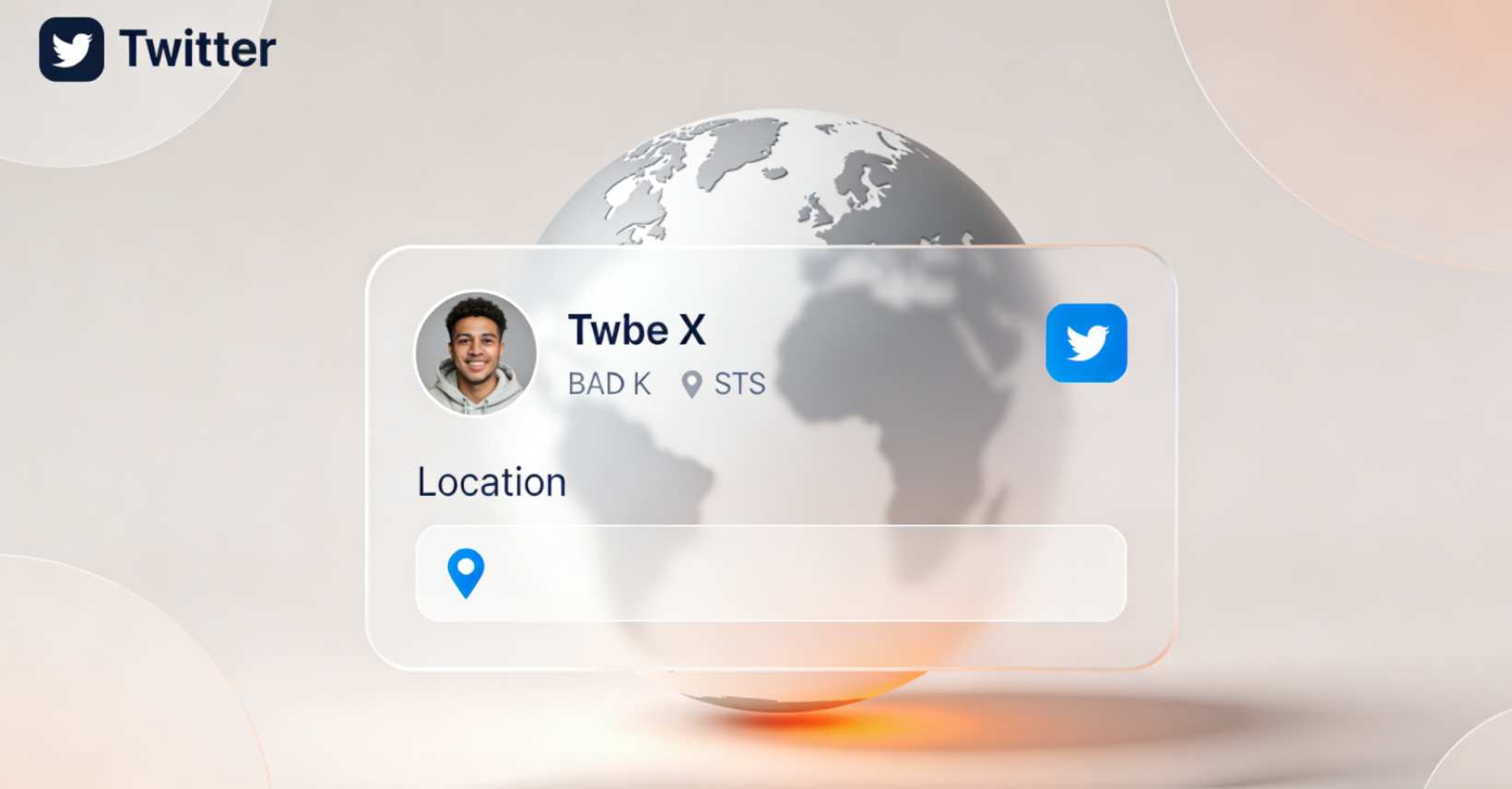
In the Web3 circle, there is a small detail that many people don't pay attention to, but once you know it, it feels a bit subtle—that account location tag you see on Twitter actually has very little to do with where the person is truly living.
Behind this lies a set of platform system judgment logics. Understanding them is a very practical piece of knowledge for those managing cryptocurrency communities.
📍 How do location tags actually come about?
Many people think that the "United States" on a Twitter profile is filled in by the user themselves. Actually, no. That tag is automatically applied by the platform system based on your behavioral data, driven by only two core logics:
🌐 Condition 1: Over the past two months, the account has consistently logged in using a U.S. IP address—the system will tag it as a "U.S. account".
📱 Condition 2: Logging in through the Twitter client downloaded from the U.S. App Store—this also triggers the U.S. region tag.
🔒 Additional Note: The "creation country" of an account is a private field. Except for the account owner, no one else can see it, not even platform staff.
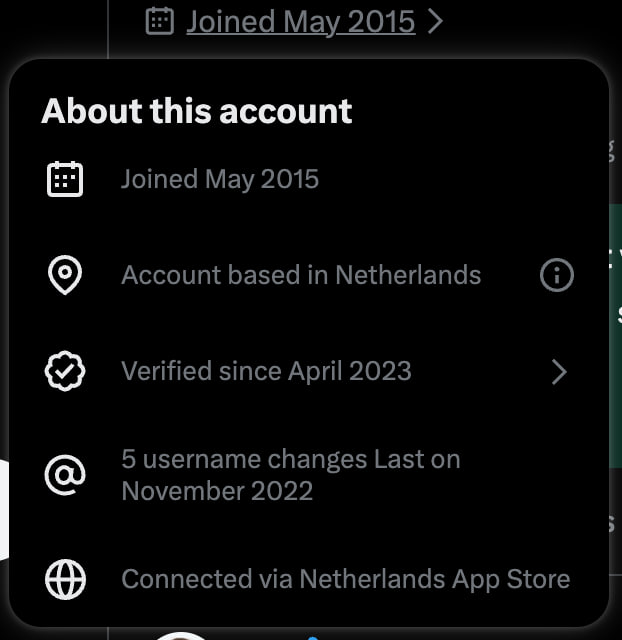
In other words, when you see "Location: United States" on Twitter, it simply represents the account's IP usage habits over the last two months, not where the account was registered, and certainly not the user's actual physical country.
🔥 What does this have to do with Web3?
Frankly, this detail might not matter much to ordinary content creators, but in the Web3 and cryptocurrency circles, its impact is much greater.
Twitter is the core arena for public opinion in the entire crypto industry. There is a term called "Crypto Twitter", which specifically refers to the highly active cryptocurrency communities on Twitter. DeFi protocols, NFT projects, Layer2 public chains, crypto VCs, on-chain analysts... almost all of these people use Twitter as their primary information base.
Whether a project has built momentum on Crypto Twitter directly affects its ability to secure funding and earn community trust.
Against this backdrop, the regional attribute of an account is no longer just a small label—it affects:
Algorithm Distribution Scope
Twitter tends to push content to users in the same region. A US tag means the content is more likely to reach the English-speaking community and the core Crypto Twitter demographic.
Community First Impression
When overseas investors and KOLs decide whether to follow an account, the regional tag serves as one of the subconscious credibility signals.
Higher Engagement Quality
When the account's regional attribute matches the target community, the conversion rate of replies and interactions will be higher, and the cold-start difficulty will be lower.
Precise Ad Targeting
If you are running Twitter Ads, the account's regional tag affects audience matching. US-region accounts have an advantage in global crypto user targeting.
🧠 How Should Web3 Projects Leverage This Logic?
Understanding how location tags work, there are a few practical applications worth noting:
① Regional Perception of the Main Account Matters
If your project's official Twitter account consistently displays a "non-mainstream" region, it may invisibly add a layer of unfamiliarity for projects targeting the English-speaking community. Maintaining a stable US IP login habit is one of the standard practices for many overseas project teams.
② "Regional Diversity" in Account Matrices
When doing community cold starts, if the regional distribution of your matrix accounts can simulate the diversity of a real community (with a presence in the US, Europe, and Asia), it will make the project look like it truly has a global user base, rather than just being a single-point layout in one region.
③ Regional Matching During Traffic Testing
If you are running Twitter Ads, when the regional attribute of the ad account itself matches the region of the target audience, the test results are usually closer to the actual delivery performance, with less data noise.
⚡ A common misconception: Many people think that "buying a U.S. account" means the account will permanently show a U.S. location. In reality, location is dynamic and determined by the login IP. After receiving the account, the IP address you use to log in is the key to maintaining the regional tag.
💡 Account stability is the core
After discussing the location logic, let's talk about an even more core issue for Web3 operators: account stability.
In the crypto circle, getting an account banned is no small matter. If an account that has been warmed up for several months and accumulated hundreds of real followers suddenly disappears, all community trust and content assets are wiped out. What's even more troublesome is when a project is at a critical node—such as right before an IDO or during an NFT minting period—the loss caused by account issues goes far beyond the account itself.
Therefore, many experienced Web3 teams prepare account reserves in advance, distinguishing between "main accounts" and "matrix accounts." Main accounts use aged accounts with three-binding or accounts with followers, while matrix accounts use stable new accounts for batch operations.
If you need to purchase stable Twitter accounts in bulk, TGX Account offers a variety of specifications, ranging from newly created accounts to aged accounts with real followers, supporting wholesale. It is a regular supply channel for many cross-border teams.
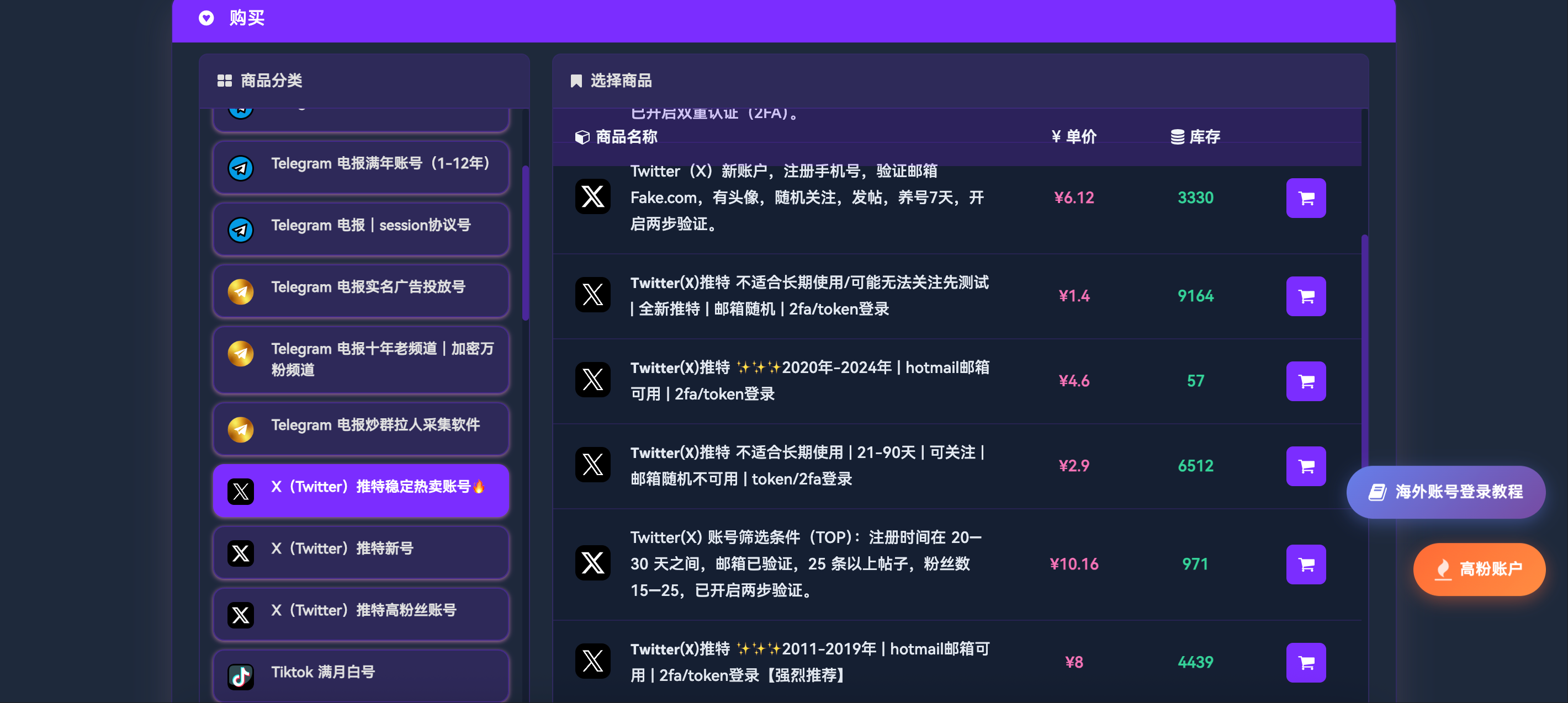
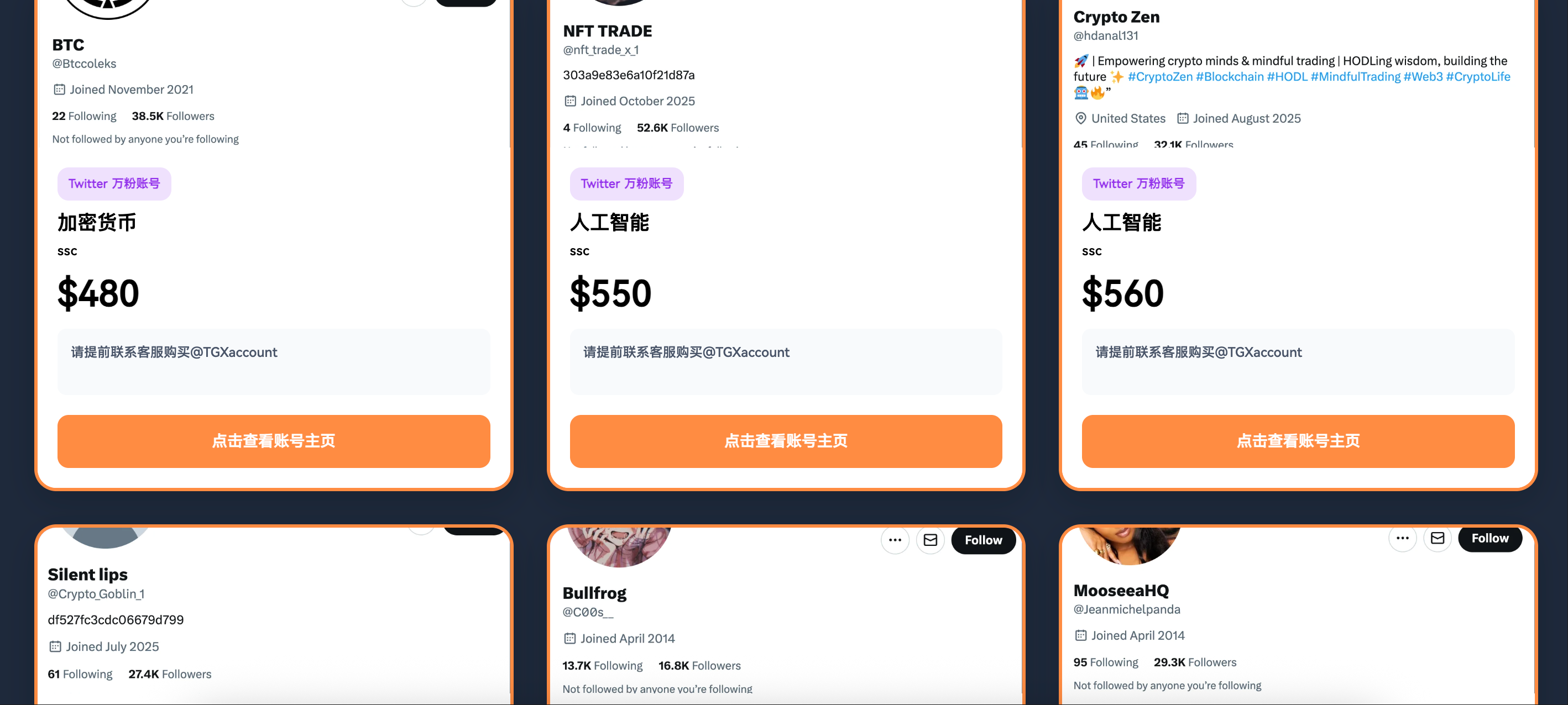
📌 About TGX Account
Focusing on the supply of overseas social media accounts, offering multi-platform accounts such as Twitter, Instagram, Threads, etc. Operating stably for over 2 years with sufficient inventory, supporting both retail and wholesale.
📩 Official Website: https://www.tgxaccount.com?from=2462
💁♀️ Telegram Support: https://t.me/tgxaccount_bot、
❓ Frequently Asked Questions (FAQ)
The following questions are derived from real, high-frequency search scenarios of Web3 and cryptocurrency users regarding Twitter account locations and operations.